

 Your boiler works hard all winter, and most of the time you don’t think about it until something goes wrong. The good news is that boilers usually give warning signs before they quit for good. Whether you own a home, live in a condo, or manage a small commercial building, here’s how to tell when it’s time to start thinking about a replacement.
Repair or Replace? A Simple Way to Think About It
A good rule of thumb is that one repair is normal, but a pattern of repairs is a warning. If you’re paying to fix the same system again and again, those bills start to add up, and a new boiler can be the better investment. Age matters too. Depending on the type and how well it’s been maintained, most boilers last somewhere between 15 and 30 years. Once yours is getting close to that range, it’s smart to plan ahead instead of waiting for a breakdown.
Common Signs Your Boiler May Need Replacing
These signs apply to homes, condos, and commercial buildings alike:
Its age is catching up. If your boiler is 15 to 20 years old or more, it’s worth having it looked at, even if it still runs.
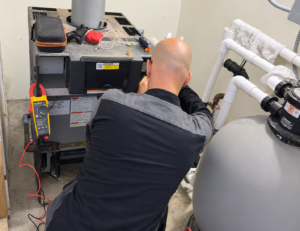
- Repairs are happening more often. Frequent service calls are one of the clearest signs a boiler is wearing out.
- Your heating bills keep climbing. An aging boiler loses efficiency, so you pay more to get the same warmth.
- Uneven heat. Cold rooms, cold spots, or radiators and baseboards that never get fully warm can point to a boiler that can’t keep up.
- Strange noises. Banging, whistling, gurgling, or rumbling sounds are not normal and are worth checking.
- Leaks or rust. Puddles around the boiler, or rust and corrosion on the unit or nearby pipes, are a red flag.
- Inconsistent hot water. If your boiler also supplies hot water, running out quickly or swinging between hot and cold can be a sign of trouble.
- The pilot light or flame looks off. A flame that is yellow or orange instead of steady and blue should be checked by a professional.
- Frequent shutdowns. A boiler that keeps turning itself off or needs to be reset is telling you something.
A quick safety note: If a carbon monoxide alarm goes off, or you smell gas, get everyone outside and call your gas utility or 911 right away. Do not wait to schedule a service call.
For Homeowners and Condo Residents
At home, the signs are usually easy to feel. Rooms that don’t warm up like they used to, a bigger bill than last winter, or a boiler that seems louder every year are all good reasons to call. If you live in a condo, check in with your HOA or building manager too, since your heating may be part of a shared system and decisions about repairs or replacement may be made together.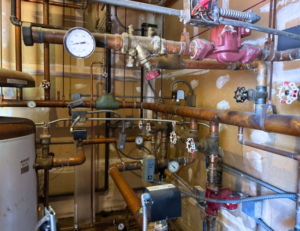
For Light Commercial Building Owners
For apartment buildings, small offices, storage facilities, and other light commercial properties, a boiler problem affects more than comfort. It affects tenants, employees, and your bottom line. Watch for tenant complaints about heat or hot water, uneven temperatures from floor to floor, and rising maintenance costs. Planning a replacement in the off-season gives you time to choose the right equipment and schedule the work without an emergency. A boiler that quits in the middle of winter is the most expensive time to find out it was done.
It Might Not Just Be the Boiler
Sometimes the boiler gets the blame when another part of the system is the real problem. Other pieces of your hydronic heating system wear out too, and replacing them can bring a tired system back to life:
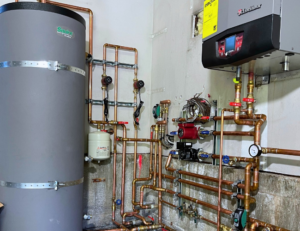
- Circulation pumps move hot water through your pipes. When a pump weakens or fails, heat doesn’t reach every room, even if the boiler itself is fine.
- Manifolds split heated water into the different zones or loops in your system. Leaks, corrosion, or worn valves can cause uneven heating.
- Valves, thermostats, and controls tell your system when and where to send heat. Old or faulty controls can waste energy and leave you uncomfortable.
- Expansion tanks and air removal parts keep pressure steady and air out of your pipes. When they fail, you may hear noises or see pressure problems.
Because these parts all work together, a problem in one place can look like a problem somewhere else. That’s why guessing can get expensive.
The Best Way to Know for Sure
Online checklists like this one can point you in the right direction, but the only way to know for certain is to have a professional take a look. A specialist in hydronic heating can inspect your whole system, tell you what’s worn out, and explain your options in plain language, including whether a repair makes sense or a replacement is the smarter move.
That’s where we come in. Janes Radiant Heating has been working with hydronic heating systems across Western Washington since 1986. We service and replace boilers, pumps, manifolds, and more for homes, condos, and light commercial buildings. If your boiler, or water heater, is showing any of the signs above, give us a call. We’ll help you figure out what you really need, so you can stay warm without any surprises.